(Under)Playing Ourselves
On shadow, expression, and improv.


When I was around twenty years old, I travelled across India with a theatre group called Shadow Liberation.
We practiced Forum Theatre, a form of participatory performance developed by Augusto Boal, where the audience is not just watching the story unfold, but can interrupt it at any point. Someone from the audience could walk onto the stage, replace the protagonist, and change the course of the story.
And we, the actors, had to respond in real time.
At first, I thought the power of this format was empowerment. That it gave people agency. Voice. Participation.
But over time, I realised something more was happening.
People were not changing the story.
They were confessing themselves into it.
A woman would interrupt a scene about domestic violence and suddenly you could feel that she was no longer speaking to the character in front of her. She was speaking to someone from her own life. Sometimes furious, sometimes trembling. Like finally having the chance to enunciate a conversation that had only been happening inside her mind.
And often, after the play ended, the real conversations began.
People stayed back and spoke about abuse, shame, guilt, fear, desire, helplessness. Not as audiences discussing art, but as people who had briefly found permission to stop pretending. To step back into moments from their own lives and respond differently.
Including us. Fifteen people barely out of our teens, carrying things we had never said out loud to anyone.
I think that was the first time I understood that human beings are constantly performing versions of themselves. Not out of deception, but because it is constantly shifting in relation to others.
At different points in life, we become the witness, the victim, the saviour, the betrayer, the caretaker, the antagonist.
And none of these identities stay fixed.
For someone to be powerful, someone else must become powerless.
For someone to be protected, someone else absorbs the wound.
For someone to be admired, someone else disappears into the background.
That is the architecture of almost every story.
Maybe also of every society.
And somewhere along the way, we become exhausted trying to only identify with the morally acceptable parts of ourselves.
The kind parts.
The evolved parts.
The healed parts.
The generous parts.
But what about the jealous parts?
The cowardly parts?
The grieving parts?
The parts that want to run away?
What happens to all the selves we exile in order to feel belonged?
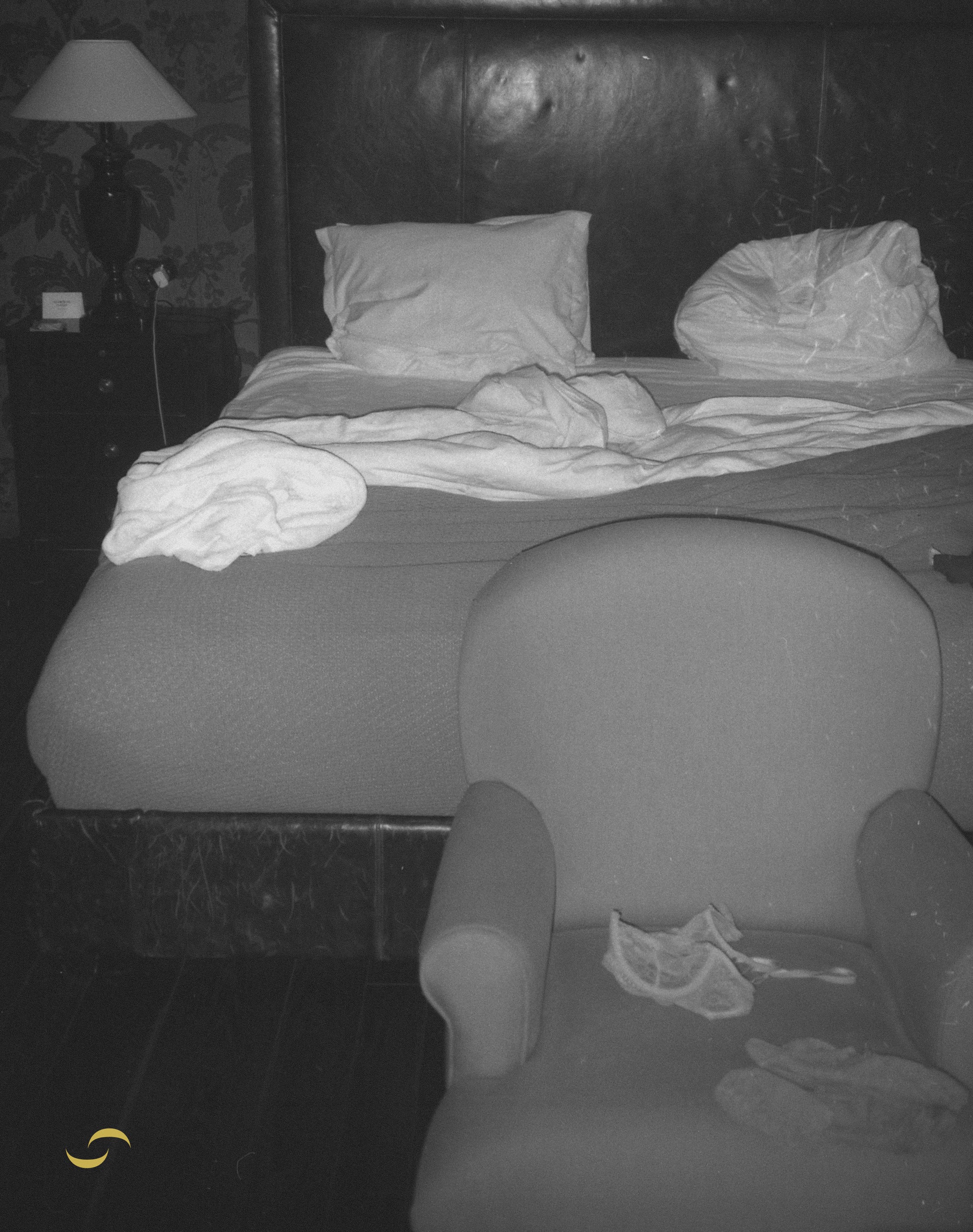
A few months ago at the Kochi-Muziris Biennale, while listening to Marina Abramović speak about endurance, presence, and role of the witness, I found myself thinking again about my theatre days again.
About performance not as entertainment, but revelation.
About how art sometimes creates temporary spaces where people can safely meet the versions of themselves they spend most of their lives hiding from.
Maybe that is what liberation actually is.
Not becoming perfect.
Not becoming pure.
Not transcending the shadow.
But learning to sit beside it without flinching.
To stop dividing ourselves into heroes and villains.
To understand that most people are simply improvising through pain, memory, conditioning, longing, fear, and love.
Somewhere along the way, I stopped thinking of shadows as the opposite of light. They are evidence of it.
— Aastha Johri, Studio Agor